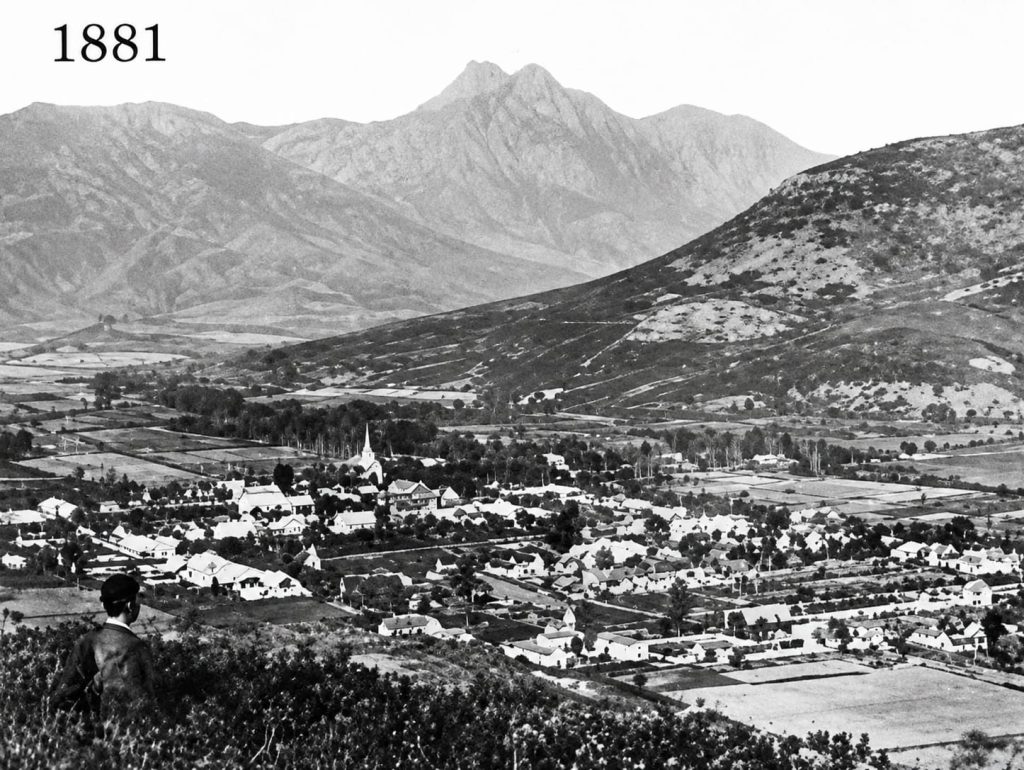
To understand the history of Die Vlakte and the broader story of Stellenbosch, it is first necessary to understand the historical foundations upon which the town was built. Long before apartheid, the region was shaped by indigenous communities, colonial expansion, slavery, and the dispossession of land. These interconnected histories provide the context for understanding how Stellenbosch developed and why it is important to revisit its past through a broader historical lens.
Pre-Colonial Stellenbosch
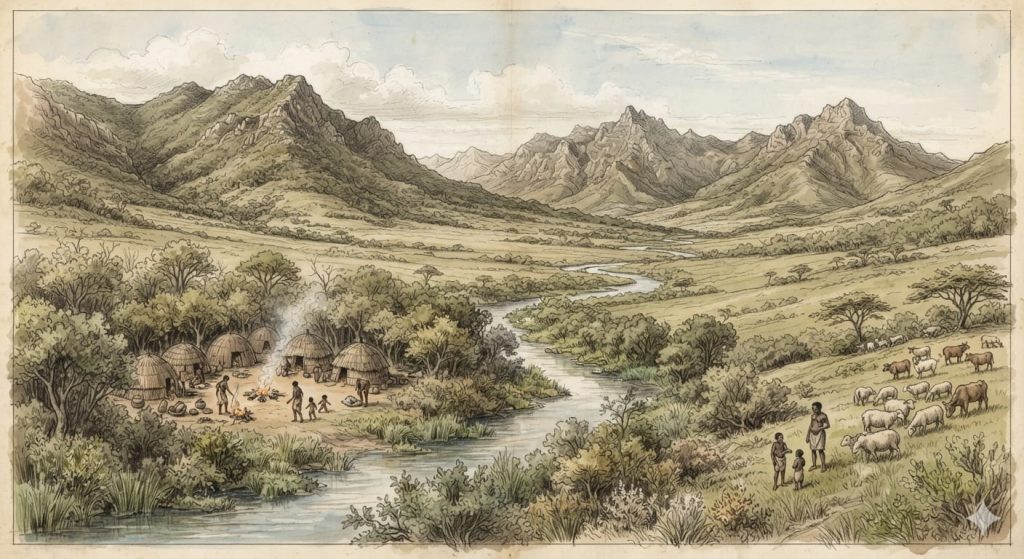
Long before the establishment of Stellenbosch, the region was home to indigenous Khoi and San communities who lived from the land through pastoralism, hunting, gathering, and trade. Their deep knowledge of the environment and longstanding connection to the Eerste River Valley shaped the landscape for centuries before European settlement. Recognising this history is essential to understanding that Stellenbosch’s story did not begin with colonial occupation, but with the people who first inhabited and cared for this land.
Colonial Stellenbosch
The establishment of Stellenbosch in 1679 marked the beginning of profound changes to the region. Colonial expansion brought the appropriation of indigenous land, the establishment of farms, and the introduction of enslaved people whose labour became central to the town’s economic development. These processes transformed the social and physical landscape of Stellenbosch and laid the foundations for patterns of inequality and exclusion that would continue to shape the town for centuries.