Origins of die Vlakte
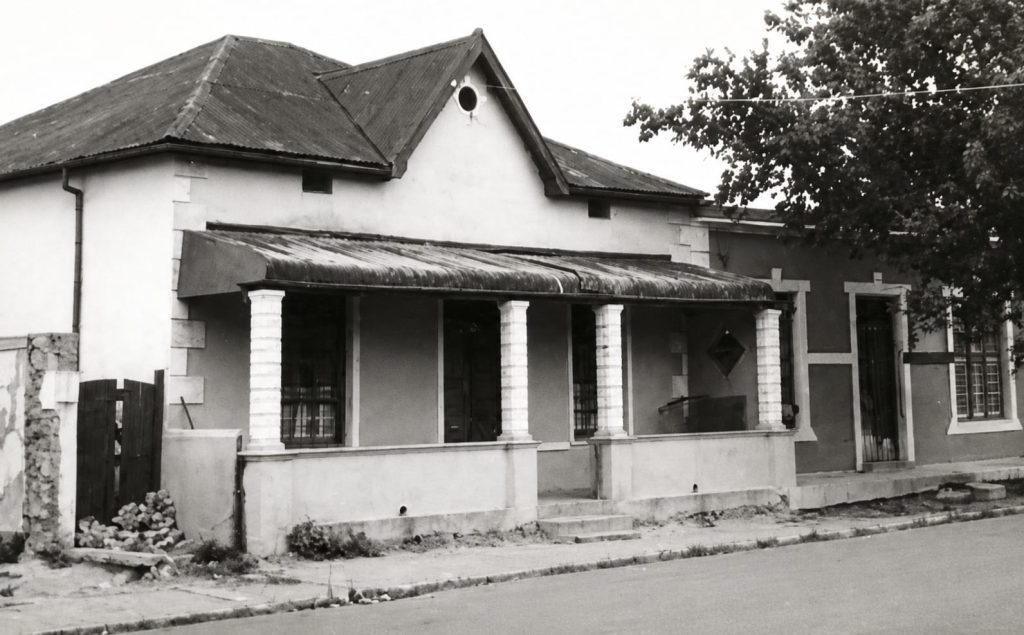
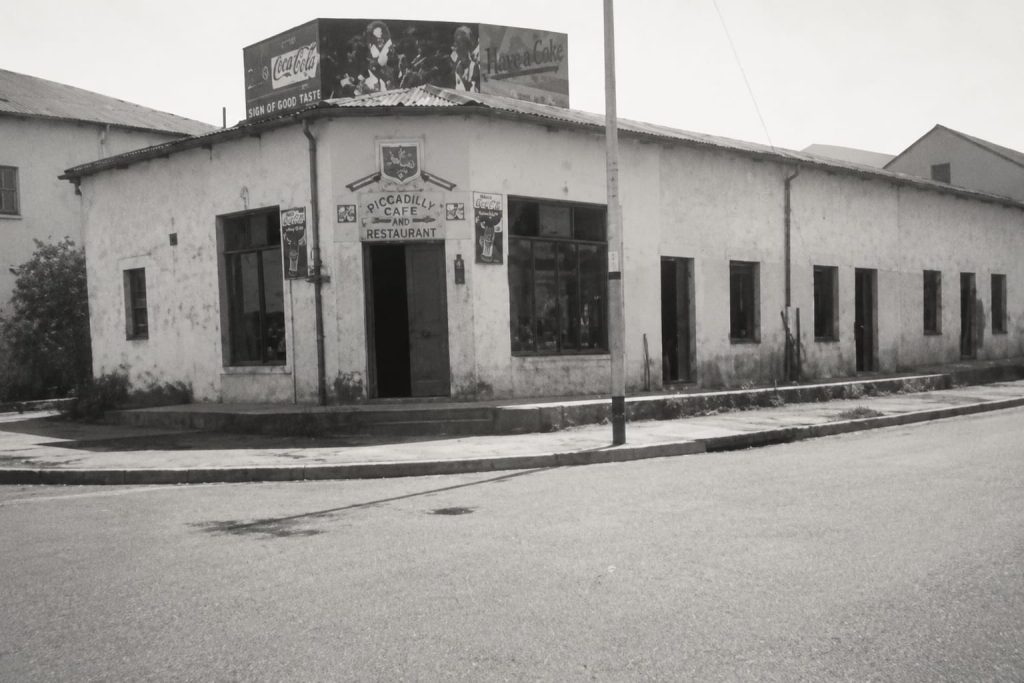
By the early twentieth century, much of Stellenbosch’s original commonage land had been transformed into residential suburbs, particularly on the northern side of the town. Originally designated as commonage land for the communal use of local residents, it was later transferred to the Stellenbosch Municipality, marking a significant shift from communal agricultural use to urban development.
Die Vlakte formed part of this commonage. Initially, the area served as grazing land for cattle being driven to Cape Town, where herds rested overnight before continuing their journey. As cattle drives declined with the introduction of new forms of transport, the land gradually fell into disuse.
Evidence suggests that people began settling in Die Vlakte as early as the 1850s, although the precise timeline of its development into a residential suburb remains unclear. Over time, Die Vlakte evolved into a vibrant, predominantly Coloured neighbourhood that became home to families, schools, places of worship, businesses, and community organisations.
The final portion of the original commonage land was sold to the Muslim community in 1897 for the construction of a mosque, marking an important moment in the area’s religious and social history.
Over the following decades, Die Vlakte developed into one of Stellenbosch’s most vibrant and diverse communities. The sections that follow explore the growth of the neighbourhood, its institutions, and the lives of the people who called it home.
A Thriving Community
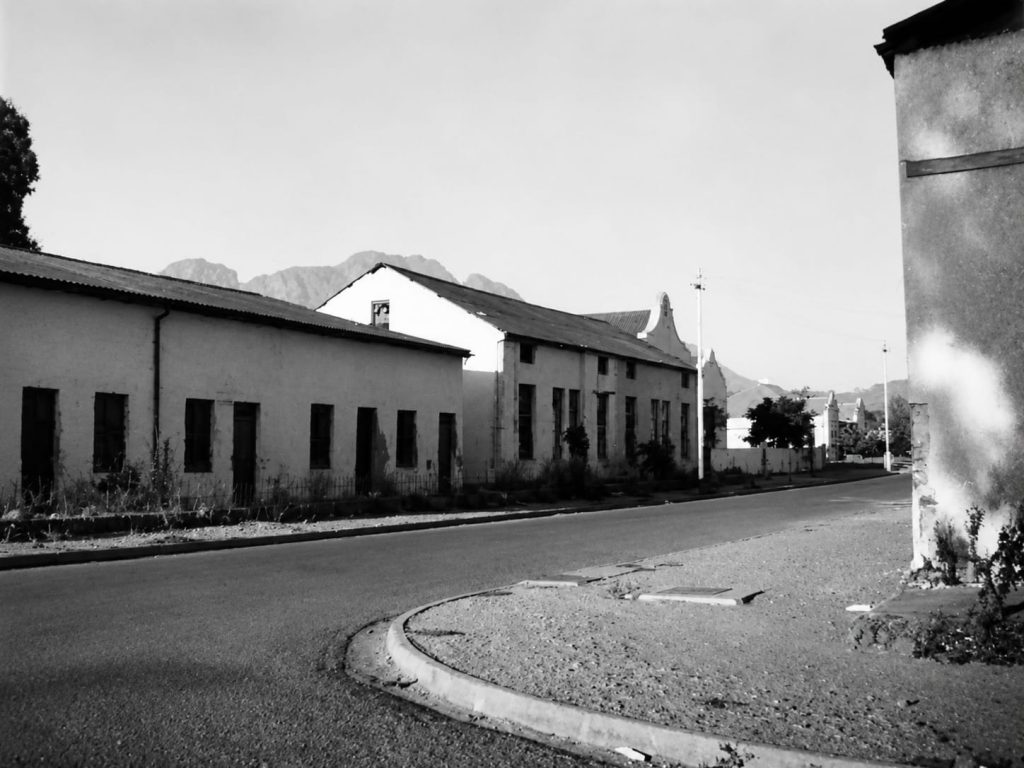
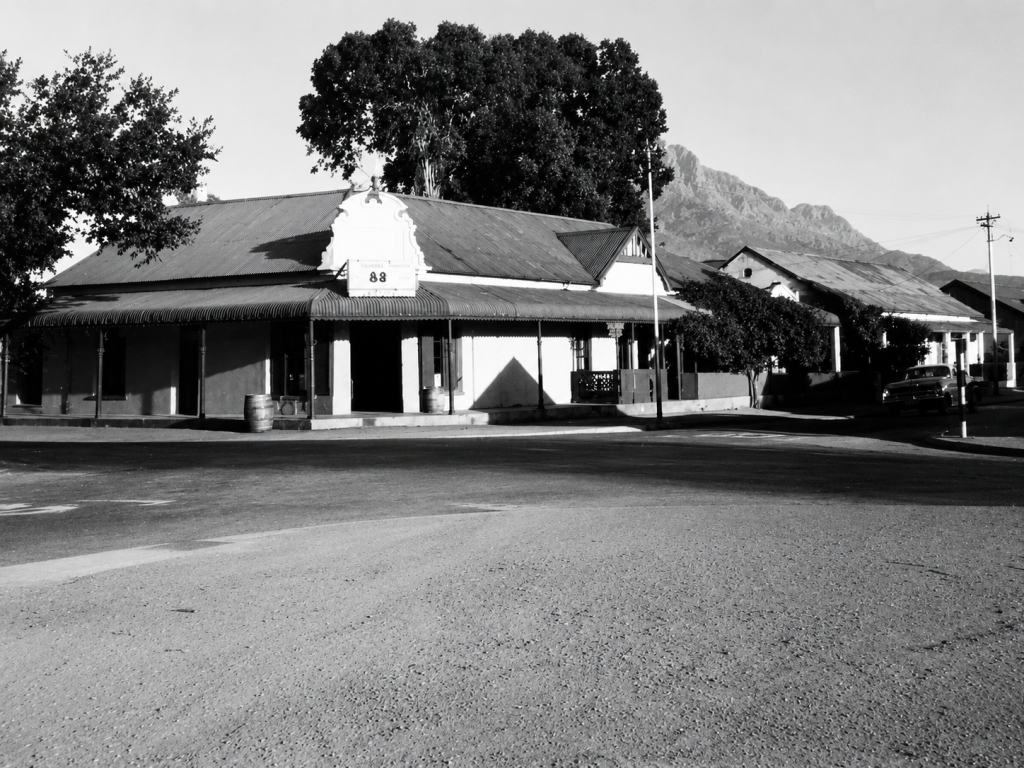
By the late nineteenth and early twentieth centuries, Die Vlakte had developed into one of Stellenbosch’s most vibrant and diverse neighbourhoods. Families from different backgrounds settled in the area, creating a close-knit community where neighbours supported one another and social ties extended across generations. Although Die Vlakte became home to a predominantly Coloured population, it was characterised by cultural, religious, and occupational diversity that shaped its unique identity.
Education, religion, and small businesses formed the backbone of community life. Schools, churches, and the mosque were central institutions that brought people together, while local businesses and skilled trades supported families and contributed to the local economy. Many residents worked as artisans, builders, tailors, transport operators, and craftsmen, reflecting skills that had been passed down through generations.
Community life extended beyond work and education. Sporting clubs, religious gatherings, and social organisations created opportunities for people to meet, celebrate, and support one another. Muslims and Christians lived alongside each other in an atmosphere of mutual respect, often assisting one another in community projects and sharing in the everyday life of the neighbourhood. These relationships fostered a strong sense of belonging that remained a defining feature of Die Vlakte until the forced removals disrupted the community.
Forced Removals
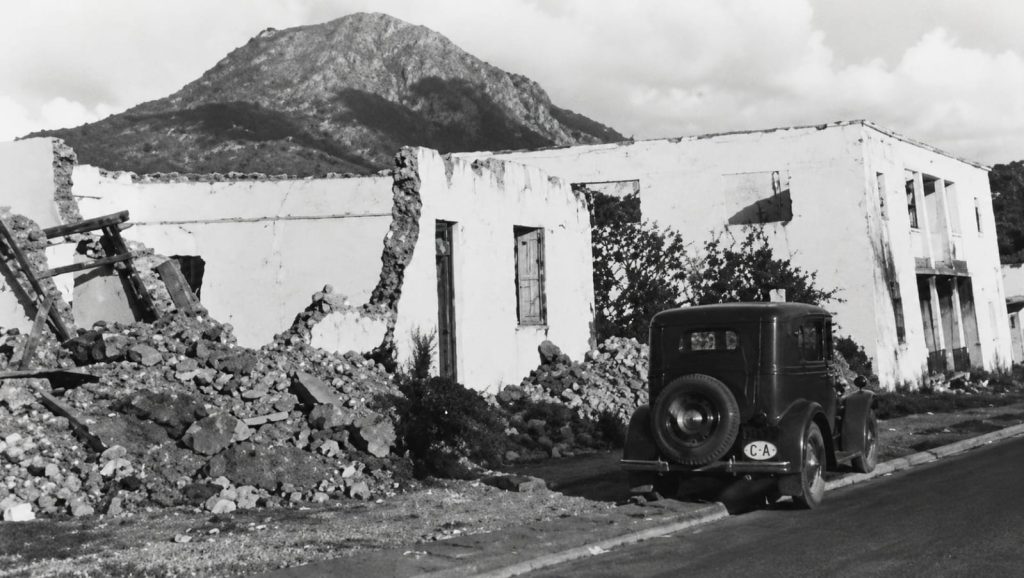
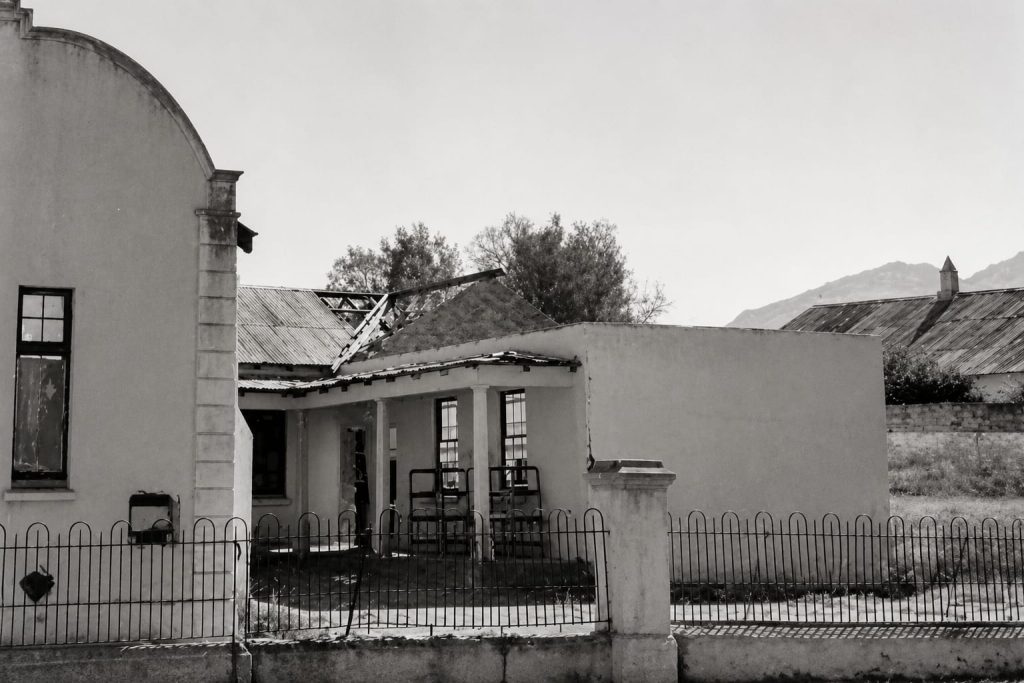
The history of Die Vlakte changed irrevocably with the implementation of apartheid’s Group Areas Act. On 25 September 1964, Die Vlakte was proclaimed a white area, and from 1969 the forced removals began. According to official records, 757 families were removed from Die Vlakte, comprising 750 Coloured families and 7 Indian families, and relocated primarily to Ida’s Valley and Cloetesville.
The total number of people displaced remains uncertain. Based on an estimated average household size of five people, official figures suggest that approximately 3,785 individuals were removed. However, oral histories collected for the Mapping Die Vlakte project indicate that families were often considerably larger, with many respondents recalling households of seven or eight people. If these estimates are accurate, the total number of people displaced would have been substantially higher than the official figure. This difference highlights the challenges of accurately documenting the full human impact of the forced removals.
The removals extended far beyond the loss of property. Families were separated from neighbours, places of worship, schools, and the everyday rhythms of community life that had developed over generations. Although opportunities to resist were limited by the overwhelming power of the apartheid state, the memory of Die Vlakte endured. Former residents carried with them not only the loss of their homes but also the values, relationships, and traditions that had shaped the community. Today, the history of Die Vlakte remains an important reminder of the human consequences of apartheid’s forced removals and continues to inspire efforts towards memorialisation, historical justice, and reparative recognition.